The internment policy was tested before the U.S. Supreme Court in three landmark cases. The first was Hirabayashi v. United States (1943). Gordon Hirabayashi, a University of Washington senior and U.S. citizen, violated two military orders: a curfew imposed on persons of Japanese ancestry and a directive requiring him to report to a Civil Control Station for relocation. Convicted in federal court on both counts, he appealed, arguing the orders were unconstitutional racial discrimination and exceeded military authority. The Supreme Court unanimously upheld his conviction for the curfew violation, ruling that in time of war the government could impose such restrictions in designated military zones to prevent espionage and sabotage. The Court avoided addressing the broader question of forced relocation, leaving the legality of mass internment unresolved.
The second case, Korematsu v. United States (1944), directly addressed the exclusion policy. Fred Korematsu, a native-born U.S. citizen from Oakland, California, volunteered for military service but was rejected due to a medical condition of ulcers. Refusing to leave the war zone, he defied the evacuation order, was arrested, and convicted for remaining in a restricted area. In a 6–3 decision, the Court upheld his conviction, holding that the exclusion order was a valid exercise of military authority during wartime. The Court’s majority accepted the government’s claim that the measures were based not on racial prejudice but on military necessity. In dissent, Justice Robert Jackson warned that the decision “lies around like a loaded weapon” for future abuses, while Justice Frank Murphy denounced it as “legalization of racism” and a “fall into the ugly abyss of racism.”
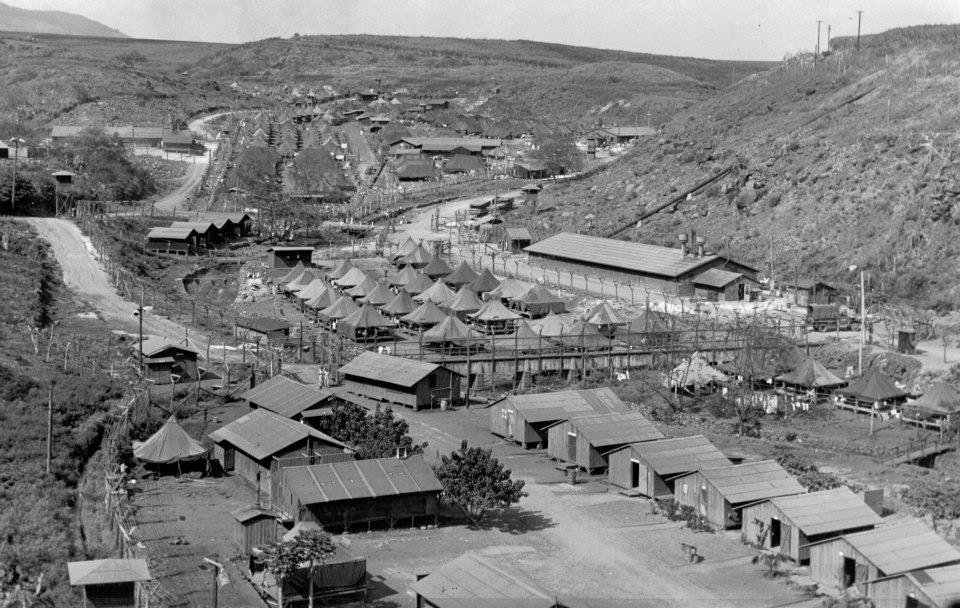
Decided the same day, Ex parte Endo (1944) involved Mitsuye Endo, a California-born Nisei who had been fired from her state job and sent to the Tule Lake War Relocation Center despite the government conceding her loyalty. Represented by the Japanese American Citizens League and pro bono attorneys, she petitioned for a writ of habeas corpus. In a unanimous decision, the Court ordered her release, ruling that the War Relocation Authority had no legal power to detain a citizen whose loyalty was unquestioned. By framing the ruling narrowly as an abuse of administrative authority rather than a judgment on the constitutionality of Executive Order 9066, the Court avoided directly overturning the internment policy—though the decision hastened the closure of the camps.
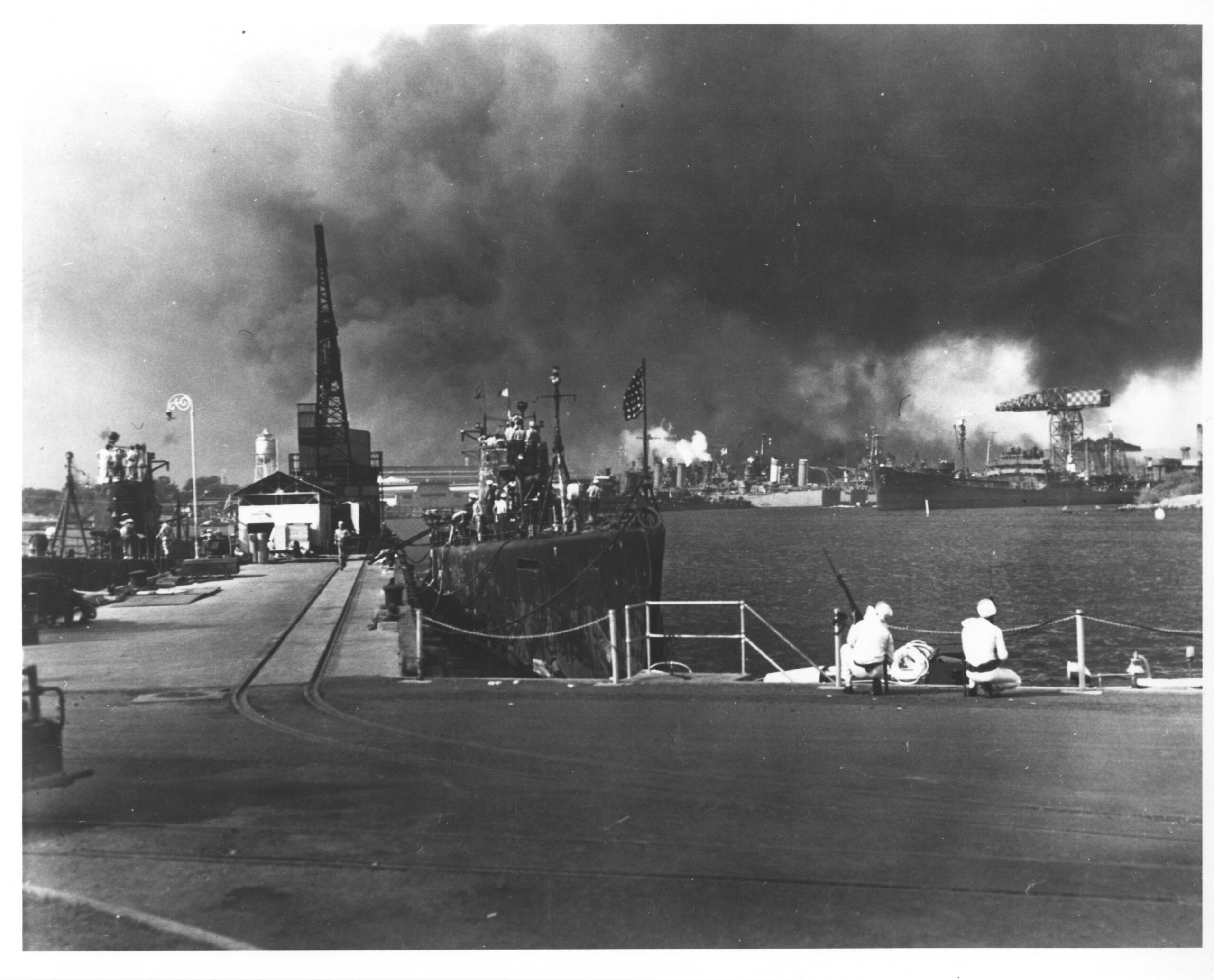
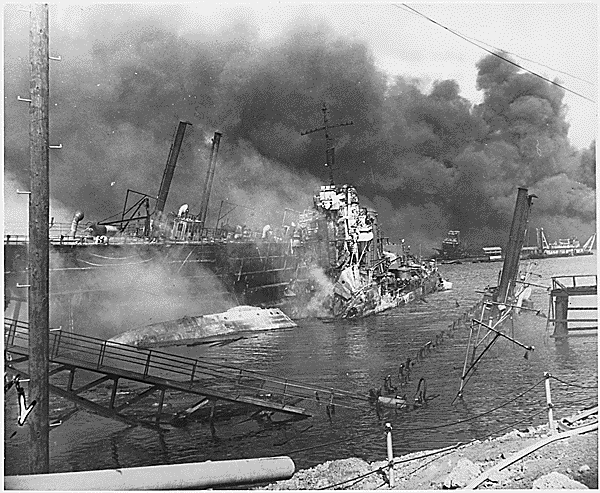
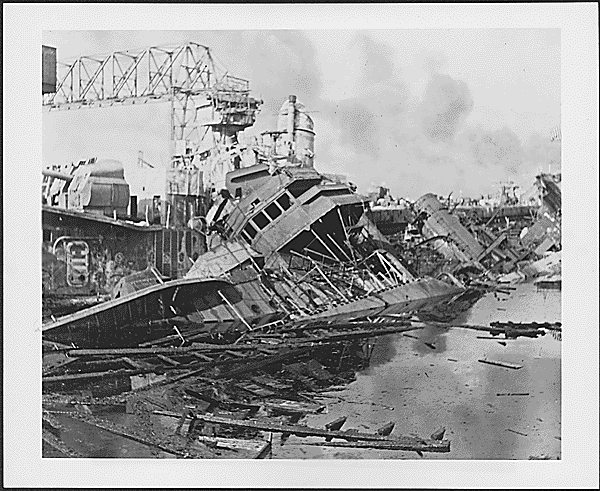
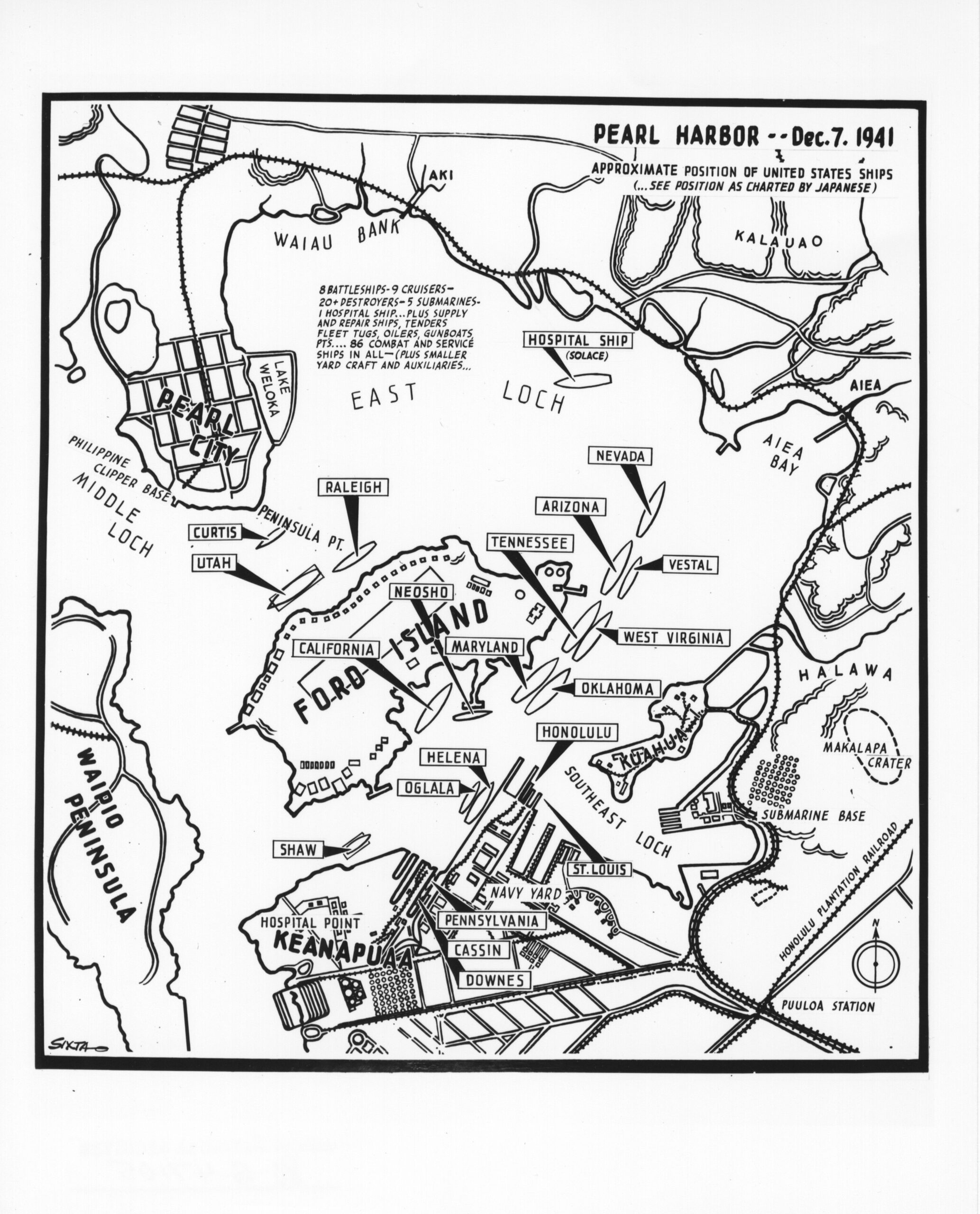
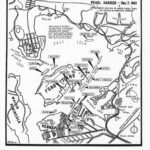
Despite the drastic measures and intense scrutiny placed upon Japanese-Americans by the government and military, no Japanese-American citizen was found guilty of committing espionage or sedition during the war. In fact, Takeo Yoshikawa, the head Japanese spy in Hawaii in the leadup to the attack on Pearl Harbor, did not try to employ Japanese-Americans at all, claiming that they were “unanimously uncooperative” due to their loyalty to the United States.
The wartime internment of Japanese Americans has since been recognized as a profound injustice. In 1948, Congress passed the Japanese American Evacuation Claims Act to provide compensation for property losses, but strict proof requirements meant that less than $37 million of an estimated $400 million in losses was ever paid. In 1983, the Commission on Wartime Relocation and Internment of Civilians declared the internment a “grave injustice” born of “race prejudice, war hysteria, and a failure of political leadership,” not military necessity. The following year, Korematsu’s conviction was vacated in federal court. In 1988, Congress issued a formal apology and awarded $20,000 to each surviving internee.